

History of the College
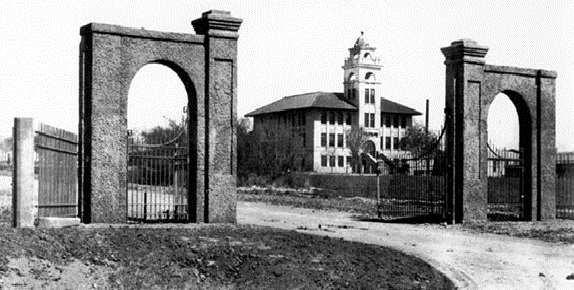

Just as one cannot adequately drive an automobile without a rear-view mirror, one cannot effectively build the future without glimpses of the past.
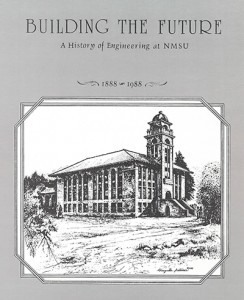
The history of the College of Engineering is written through the lives of its students and graduates. Decisions by the Board of Trustees, statistical breakdowns of the student body, or the evolution of degrees can only tell one part of the history. The people’s stories — those whose lives animate the institution — capture the spirit of the College of Engineering and carry its legacy. Delve into the rich history of NMSU College of Engineering and experience more than 100 years of tradition and innovation.
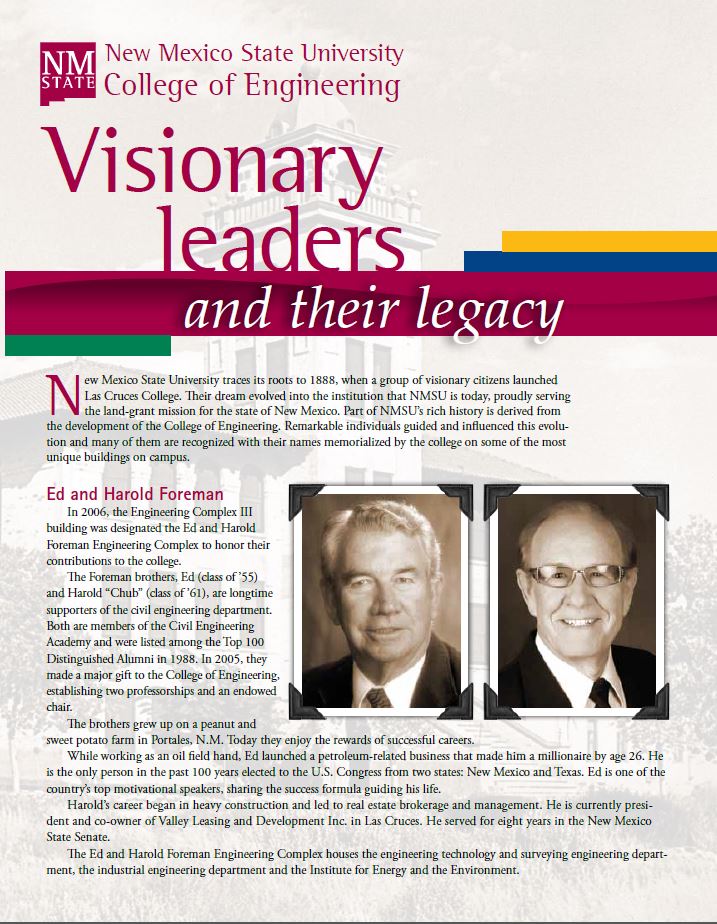
New Mexico State University traces its roots to 1888, when a group of visionary citizens launched Las Cruces College. Their dream evolved into the institution that NMSU is today, proudly serving the land‑grant mission for the state of New Mexico.
Part of NMSU’s rich history is derived from the development of the College of Engineering. Remarkable individuals guided and influenced this evolution and many of them are recognized with their names memorialized by the college on some of the most unique buildings on campus.
Hugh Meglone Milton: A Life Beyond Duty
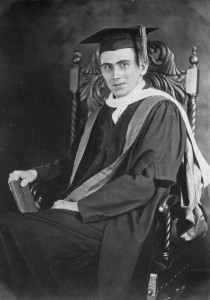
Early Life & Leadership
Hugh Megelone Milton, II descended from a long line of British ancestors that included the renowned poet, John Milton. A BS and MS graduate of the University of Kentucky, Milton taught at Texas A&M, then joined the engineering faculty at the New Mexico College of Agriculture and Mechanic Arts (NM A&M) in 1924. There he began an extraordinary life filled with scholarship, teaching, oration, writing, government, military, and civic service, and above all, leadership. Despite the shocking death of his young wife, Lola, and loss of mentor Ralph Goddard in a gruesome accidental electrocution, he served with distinction as Professor, Dean and President of NM A&M from 1924–40. Milton remarried, sired two sons, and led the College through perhaps the most difficult period in its history, including a politically-based challenge to its accreditation.
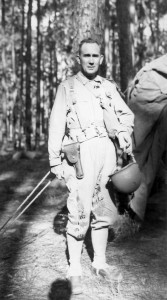
World War II Service
Called into WWII from his position in the Army Reserve where he had served since WWI, he served as General Oscar Griswold’s XIV Corps chief of staff in the Pacific theater. Together, they led the defense of the island of Bougainville and its key base which was critical in the destruction of the Japanese fortress of Rabaul on New Britain. Under the command of General MacArthur and Griswold, Milton helped plan and spearhead the American force which retook Luzon and Manila in the Philippines and liberated thousands of POWs and civilian internees.
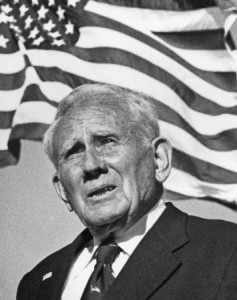
A Life Beyond Duty
Returning from WWII in 1945, he was again President of NM A&M and later became Superintendent of New Mexico Military Institute. The Korean War saw him called to military duty once more where President Eisenhower soon promoted him to Assistant and then Undersecretary of the Army. He served in the Pentagon from 1951 to 1961 through the critical Cold War period. He returned to New Mexico in 1961, undertook innumerable leadership positions in civic service and gave dozens of memorable public speeches. A natural storyteller with a graceful, almost Victorian cadence, his essays reveal a deep command of literature, sociology, and history. His remarkable contributions are honored in the book A Life Beyond Duty, released in October 2015.